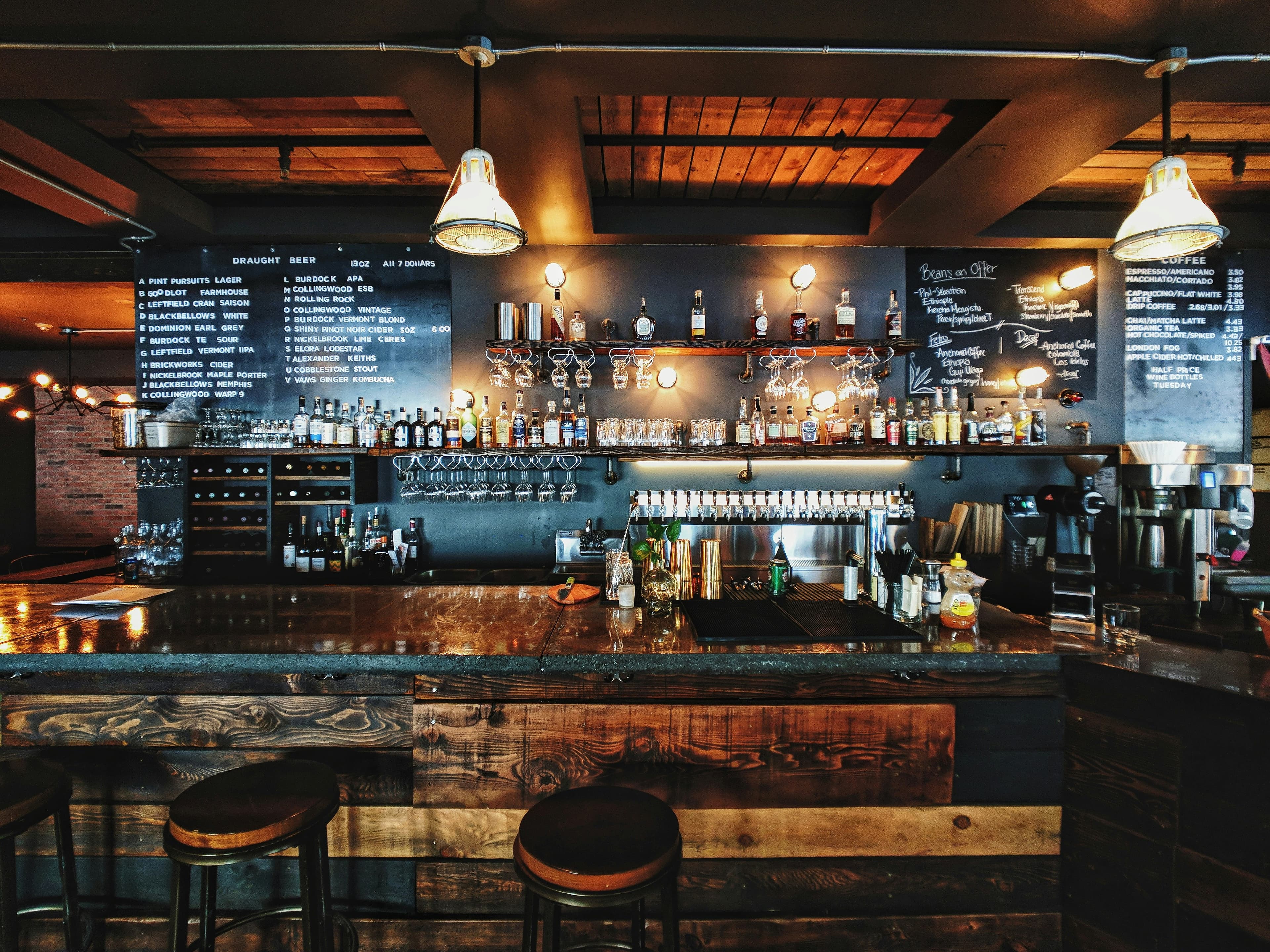
The 18-month rebuild: a neighborhood pub from 3.6 stars to booked weekends.
A struggling neighborhood pub on the wrong side of a Yelp spiral. Eighteen months of operational and marketing work later, 4.6 stars and a six-week-out reservation book. Here's the timeline.
In May 2024, a neighborhood pub in East Vancouver was 3.6 stars on Google with 188 reviews and a six-month negative trend. The last three months' reviews were 2.4 stars on average. Friday nights were 60% of pre-pandemic. Tuesday and Wednesday were dead.
In November 2025, the same pub is 4.6 stars with 412 reviews, booked six weeks out on Friday and Saturday, and pulling 110% of pre-pandemic on Tuesday.
Same room. Same neighborhood. Same chef. Same head bartender for the first eighteen months, before he was promoted to GM.
Here's how the rebuild went, month by month, and where the leverage actually was.
Where we started
The pub had three problems and they reinforced each other:
The kitchen was inconsistent. Items were 86'd by 8pm two nights a week. The same dish came out differently depending on who was on the line. Plating was casual when the menu had been written for plating that was deliberate.
The service was unreliable. Two strong servers, two weak ones, and the schedule rotated them through the same shifts. Friday night you might land Mira, who'd remember your name and the last drink you ordered. Or you might land Jordan, who'd forget your second round.
The reputation was bleeding. The Yelp page hadn't been touched in two years. The Google profile had no recent photos. Three of the last six reviews mentioned "used to be better" — the worst kind of review, because it implies the regular is gone.
Marketing couldn't fix any of this. We didn't try.
Months 1–3: kitchen consistency
The first ninety days were entirely operational. No marketing spend. No social posting beyond the basics. The owner's question was "what would I want to fix if I'd never thought about marketing?"
The kitchen got a daily pre-shift line check, a written 86 list updated every two hours, and a Friday-morning menu meeting that reviewed the previous week's plate-by-plate complaints. The chef ran it. The owner sat in.
By month three, 86s were down 70%. Plating was 90% consistent across shifts.
Reviews lagged. Google was still surfacing 2024's bad reviews. Reservations didn't move.
That's normal. Operational fixes need to compound before they show up in reputation.
Months 4–6: service alignment
Months four through six were about getting the floor team to perform consistently. The four-server roster became a five-server roster — one new strong hire to round out coverage. Mira ran a weekly fifteen-minute pre-shift on guest recognition: how to remember a regular's drink, how to mark a table as "looks like first time," how to handle a wait.
The shift schedule got tightened. Every Friday and Saturday now had at minimum two of the three strongest servers on. Tuesdays got the strongest server because Tuesday was the night we were trying to win.
By month six, internal mystery-shop scores went from a 6.4 average to 8.7. Floor team turnover dropped to zero for six straight months.
Tuesday covers started moving. We added a focused promotion — "Tuesday Locals Menu," a $32 three-course price that traded heavily on bar margin to land guests. Tuesday covers doubled in eight weeks. Still no marketing spend beyond the menu redesign.
Months 7–12: reputation rebuild
Month seven was when we turned on reputation work. Not before.
The floor team — now trained, stable, and confident — got one new responsibility: ask every table how the meal was at coffee. Specifically, the script was "how was tonight?" If the guest said something warm — "really good," "we'll be back," "loved the duck" — the server's next line was "we'd love it if you shared that on Google, it really helps a small place like us." Then the server walked away.
This is the single highest-leverage thing we did. It changed everything.
Three things made it work:
The script was opt-in. A guest who hadn't said something warm never got the Google ask. We didn't ask for reviews from people who weren't already happy. That's how you get bad reviews.
The framing was personal. "It really helps a small place like us" is a guilt-free ask. It's not "please rate us" — it's "we're a small business and reviews matter." Guests respond to that.
The timing was at coffee, not at the door. A guest who's just been asked at coffee will pull out their phone at the table. A guest asked at the door is already mentally out the door.
In the six months following, the pub went from 188 reviews to 340. The new reviews averaged 4.8 stars. Google's algorithm caught up by month ten — the pub started showing up in the local pack again. By month twelve, organic search traffic to the website was 280% of the year before.
Months 13–18: brand and bookings
Months thirteen through eighteen was the marketing layer on top of the operational and reputation work. Specifically:
A new website with proper booking integration. Three months to build, six weeks to start converting. By month fifteen, 60% of Friday reservations were coming through the site directly, not through OpenTable.
A weekly newsletter to the email list — which the pub had been collecting via a tablet at the bar for over a year but had never used. First send went to 2,400 subscribers. Forty-two percent open rate. The list had been warming itself.
A neighborhood partnership program — a discount card co-branded with two nearby retailers, the high-school PAC at the school three blocks away, and the running club that met at the pub on Sunday mornings.
By month eighteen, Friday and Saturday were booked six weeks out and the pub had to start a waitlist policy.
What I'd do differently
The eighteen months could have been twelve if we'd run the operational fixes and the reputation work in parallel from month one. We didn't. We did them in sequence because the owner wanted to be sure the kitchen and floor could deliver before we asked anyone to come back. That was a fine decision but it cost six months.
If your venue is in a similar spot — solid product, weak ops, leaking reputation — start the kitchen and floor work tomorrow morning. Start the review ask the moment your floor team is ready to perform every night. That moment is sooner than you think.
— Damon
Frequently asked
Why did it take 18 months and not 6?
The operational fixes — kitchen, service, beverage program — take three to six months. The reputation fixes take twelve to twenty-four. You can't compress the second one. Google's algorithm needs to see consistent recent reviews before it starts surfacing you in the local pack again, and that's a pacing question, not a marketing one.
What's the single biggest lever you pulled?
The end-of-meal table-side review ask. Specifically: trained the floor team to ask 'how was tonight?' at the table at coffee, and only if the answer was warm, follow with 'we'd love it if you shared that on Google.' The opt-in framing matters. Asking everyone for a review is the fastest way to get negative ones.
Can this be done with a worse starting product?
No. The pub had a good product the whole time — solid kitchen, working bar program, real character. What it didn't have was operational consistency and any kind of reputation management. If the product is actually bad, fix that first. Marketing can't sell a kitchen that's still 86'ing items at 7pm on a Tuesday.
Want a turnaround playbook for your venue?
DAMON AI generates a 90-day operational marketing plan calibrated to your current state and your local market.
Try DAMON AI →